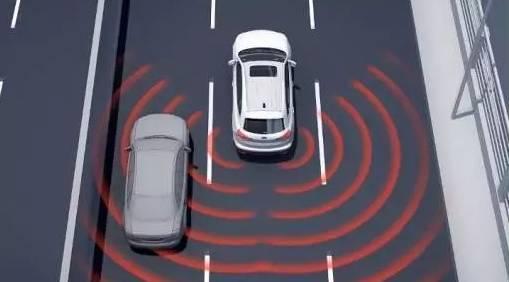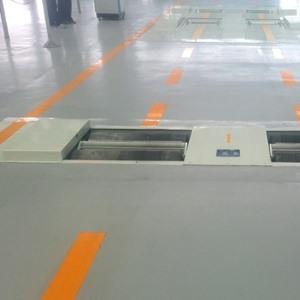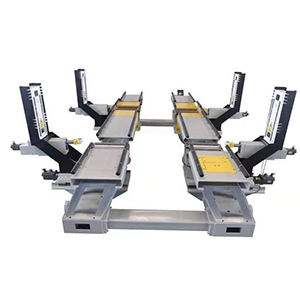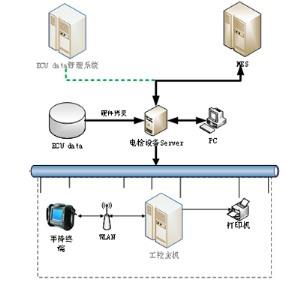
ADAS advanced driver assistance calibration equipment uses various sensors installed in the car to collect data on the internal and external environment of the car at the first time, and performs technical processing such as static and dynamic object recognition, detection and tracking, so that the driver can detect the possibility of danger in the fastest time, so as to attract attention and improve safety of active safety technology.
ADAS uses sensors such as cameras, radar, lasers, and ultrasound to detect light, heat, pressure, or other variables used to monitor the state of the car, typically in the front and rear bumpers, rearview mirrors, inside the driver's steering column, or on the windshield.
Early ADAS technology was mainly based on passive alarms. When the vehicle detected potential danger, an alarm would sound to alert the driver to abnormal vehicles or road conditions. In the latest ADAS technology, active intervention is also common.
ADAS advanced driver assistance calibration equipment system usually includes:
Navigation and real-time traffic system TMC;
Electronic police system ISA vehicle networking;
Adaptive cruise control ACC;
Lane Departure Warning System LDWS;
Lane keeping system;
collision avoidance or pre-collision systems;
Night vision system;
Adaptive Lighting Control
Pedestrian protection system
Automatic parking system
Traffic sign recognition
Blind spot detection
Driver fatigue detection
Hill Descent Control
Electric vehicle alarm system.